 See photos and updates from listings directly in your feed
 Share your favorite listings with friends and family
 Save your search and get new listings directly in your mailbox before everybody else
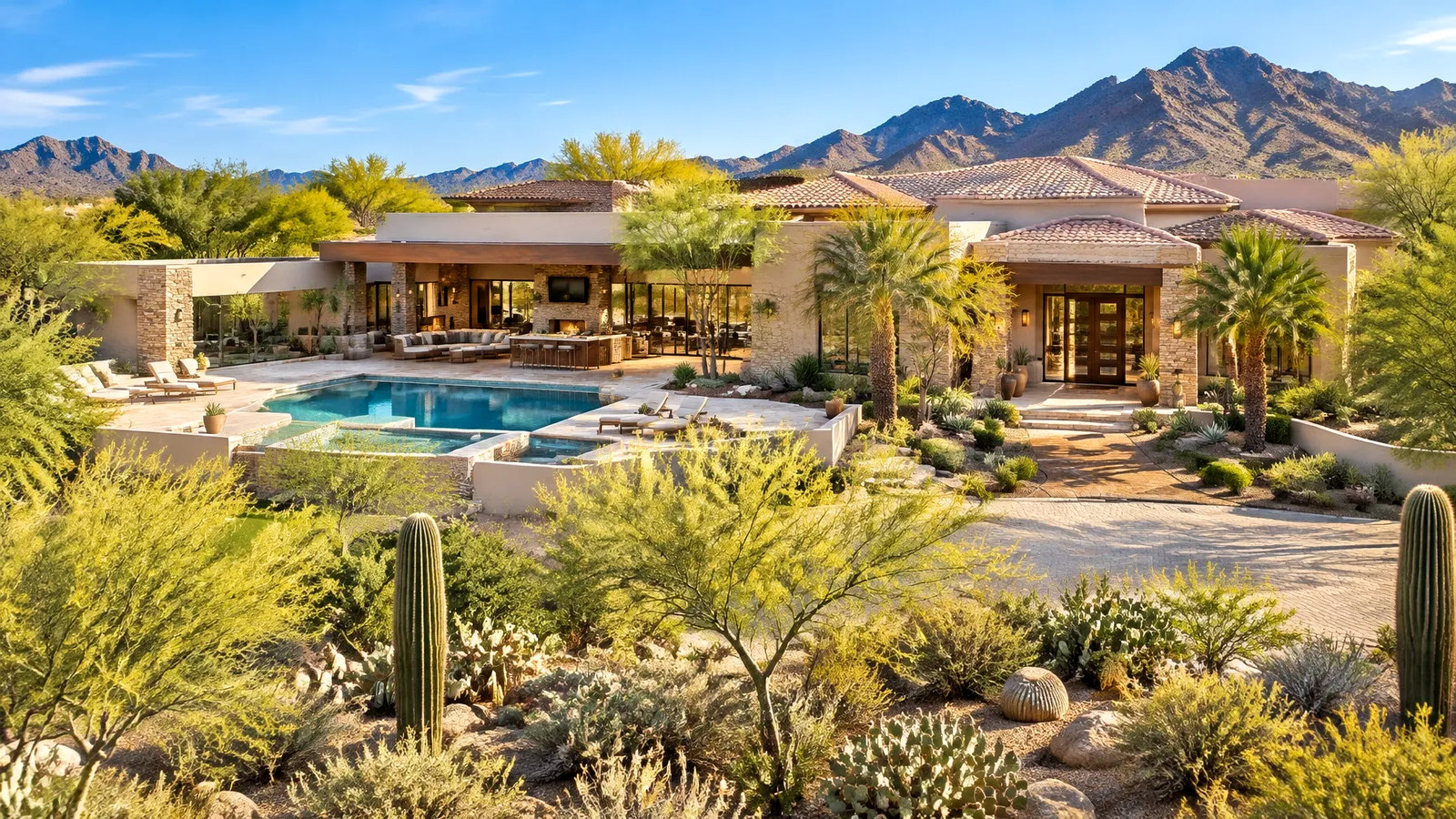
Plan for Scottsdale’s winter demand before it reaches its peak. Second-home buyers should begin reviewing properties, financing, insurance, and community rules now. Sellers should prepare before seasonal residents and out-of-state purchasers become most active.
Scottsdale snowbird season generally runs from approximately October through April, with the strongest visitor activity and housing attention concentrated from January through March. This is not simply an extension of the fall market. It is a distinct demand cycle driven by winter visitors, seasonal residents, spring training, major events, golf, holiday travel, and mild desert weather.
The opportunity is valuable but selective. Winter buyers tend to favor homes that are turnkey, well-positioned, easy to maintain, and ready for immediate use. Dated, poorly presented, or overpriced properties may receive attention without receiving strong offers.
Start Preparing Before Winter Demand Peaks
The winter wave is forming now.
Recent directional reporting suggests Scottsdale’s secondary high season begins in October and builds through November and December. January through March typically represents the highest-demand period, while June through September is the lower-demand trough.
For sellers, that means preparation should begin weeks before listing, not during the busiest part of the season. For buyers, it means building a plan before competition increases around the most desirable homes.
A seller who waits until January to begin repairs, gather documents, order photography, and establish a pricing strategy may already be late. A buyer who waits until the peak months to arrange financing, review HOA rules, or understand insurance requirements may lose time when the right property becomes available.

Understand Scottsdale’s Winter Demand Calendar
Scottsdale’s annual housing rhythm is different from the traditional spring, summer, and fall pattern discussed in broader real estate conversations.
October Through December: The Secondary High Season
Winter visitors begin returning in October. Holiday travel, comfortable temperatures, golf, dining, events, and seasonal programming support increased activity through November and December.
This period is particularly useful for buyers who want to evaluate Scottsdale while the community is active but before the January-to-March peak. It is also an important launch window for sellers targeting seasonal residents who want to secure a home before the heart of winter.
January Through March: The Core Snowbird Season
January through March is generally the strongest window for winter visitor demand. Scottsdale and surrounding communities benefit from:
- Seasonal residents returning for longer stays
- Out-of-state and Canadian buyers visiting properties in person
- Spring training and major sporting events
- Golf and outdoor recreation
- Resort, restaurant, and cultural activity
- Mild weather compared with northern markets
- Buyers seeking a furnished or low-maintenance second home
March can also be one of the strongest months for furnished short-term rental revenue in the Scottsdale area. Directional reporting places peak-season average daily rates typically between $350 and $600, or higher, depending on location, property quality, amenities, management, and event timing. Annual occupancy averages vary widely, with reported ranges of approximately 44% to 71%. Top-tier, amenity-rich properties may perform above that range, but no rental outcome is guaranteed.
June Through September: The Low-Demand Trough
Summer heat reduces visitor activity and can make property tours, inspections, and outdoor showings less convenient. Many seasonal residents have returned to their primary homes, and some buyers postpone visits until temperatures moderate.
This does not mean Scottsdale real estate stops moving. It means the buyer mix and urgency change. Winter demand is more concentrated in the months when seasonal residents are physically present and able to evaluate neighborhoods, properties, and lifestyle fit.
See Why the Winter Wave Matters to Real Estate
Winter demand is especially relevant to Scottsdale second homes and luxury homes because the buyer pool often includes affluent seasonal residents, relocation buyers, and purchasers less dependent on mortgage rates.
Directional market reporting suggests cash buyers account for approximately 30% to 50% of transactions at $1 million and above, with the cash share potentially reaching 50% to 70% above $3 million. These figures vary by community, price range, and reporting period, but the broader point is important: the winter luxury buyer pool can be disproportionately cash-heavy.
At the same time, Scottsdale inventory has reportedly increased by approximately 25% to 30% year over year. Supply is more concentrated in the ultra-luxury tier, where some properties may have approximately 9 to 15 months of supply. Turnkey, modern, well-priced homes can still attract competition, particularly when they offer privacy, views, outdoor living, golf access, proximity to resorts, or lock-and-leave convenience.
Recent reporting has also cited approximately $300 million in new resort investment to support Scottsdale’s visitor base, with hotel occupancy projected at around 64% in 2026 as new supply comes online. More visitor capacity does not automatically lead to a real estate sale, but it supports the broader lifestyle and seasonal ecosystem that attracts second-home buyers.
Prepare a Property to Capture Winter Buyers
Make Turnkey Mean More Than “Clean”
At luxury price points, turnkey means the buyer can use the property immediately without taking on a long list of projects.
Before listing, review:
- Roof age and repair history
- HVAC service records and system age
- Pool equipment and maintenance
- Water systems and irrigation
- Landscaping and landscape lighting
- Appliances and smart-home systems
- Permits for additions, casitas, pools, and renovations
- Insurance availability and current coverage
- HOA documents, fees, and restrictions
- Furnishings, linens, kitchen equipment, and household essentials
Many snowbird buyers are not looking for a year-long renovation. They want a home that can function as a comfortable seasonal residence from the day they arrive. A furnished and turnkey presentation can be particularly attractive when the property is positioned for immediate occupancy, although furnishings should be selected and disclosed carefully.
Present the Winter Lifestyle
Schedule photography in strong desert light. Show the pool, patio, fire feature, covered outdoor room, view corridors, mature landscaping, primary suite, guest accommodations, kitchen, storage, and low-maintenance features.
The objective is not to create a seasonal advertisement filled with clichés. It shows how the home works during the months when Scottsdale is most active.
Address deferred maintenance before photography and before the first showing. A winter buyer may have more cash, but that does not mean the buyer will overlook visible condition issues. The same buyer who can close quickly can also compare the home against highly competitive alternatives.
Define the Showing and Offer Process
Establish the process before the property launches:
- Showing availability
- Notice requirements
- Whether the property is occupied
- Furnishings included or excluded
- Offer review timing
- Preferred closing window
- Inspection expectations
- Documents available for buyer review
Overpricing into a high-attention window can backfire. Winter visitors may generate more activity, but they are often informed and selective. If a property receives showings without meaningful offers, the market is providing information. Pricing, condition, presentation, or terms may need to be reassessed.

Approach Winter Buying With a Complete Plan
Buyers should be ready before the best opportunities appear.
Obtain a full pre-approval when financing. Second-home loans may involve different underwriting requirements, reserve expectations, down payment requirements, occupancy assumptions, and interest rates than those for primary-residence financing. Investment-property financing can involve additional considerations tied to rental use, income documentation, and property management.
Review the full ownership cost:
- Purchase price and closing costs
- Financing terms
- Property taxes
- Homeowners insurance
- HOA fees
- Landscaping and pool care
- Utilities and maintenance
- Furnishings and replacement reserves
- Property management
- Travel and ownership logistics
If rental income is part of the plan, treat it as a possibility to be verified, not a guaranteed outcome. Confirm demand, realistic expenses, local requirements, insurance, management costs, and restrictions before making an offer.
Verify rules before purchasing in communities including Scottsdale, North Scottsdale, DC Ranch, Grayhawk, McCormick Ranch, Gainey Ranch, Old Town Scottsdale, Paradise Valley, Cave Creek, Fountain Hills, and Desert Mountain. The right property depends on the intended use.
Old Town and resort-corridor properties may appeal to buyers focused on walkability, dining, entertainment, and potential rental demand. Desert Mountain, DC Ranch, and Paradise Valley often attract buyers seeking privacy, golf, larger homes, and longer seasonal stays. Cave Creek and Fountain Hills may appeal to buyers prioritizing larger lots, views, outdoor space, and relative value.
Verify Short-Term Rental Rules Before You Buy
Scottsdale’s short-term rental requirements are a material due-diligence issue for anyone considering rental income.
Under Scottsdale rules, rentals of fewer than 30 days require a valid city license for each property. Many HOAs impose additional restrictions, prohibit short-term rentals, or require minimum stays of 30 days or longer. City licensing does not override private HOA rules.
Scottsdale Ordinance 4719, approved in June 2026, added an “event center” definition to the short-term rental code. The rule targets commercial gatherings such as weddings, corporate events, conferences, banquets, ticketed parties, and similar promoted events. Ordinary residential gatherings are treated differently, but buyers should not assume that a property can operate as a commercial venue.
The city also requires a designated emergency contact who is available 24/7. If requested by public safety personnel, that person must arrive at the property in person within one hour. Failing to arrive within one hour carries a minimum $250 fine. Failing to respond at all carries a minimum fine of $500.
Review the City of Scottsdale’s vacation and short-term rental information, the applicable city code, license requirements, and HOA documents. Rules can change. Confirm current requirements with the city, the HOA, and qualified legal or tax professionals before relying on a rental strategy.
Use This October-to-January Preparation Timeline
October
Sellers: Complete repairs, service major systems, review insurance, organize permits and property records, and begin staging.
Buyers: Establish financing, identify target communities, review HOA requirements, and begin touring properties while seasonal activity builds.
November
Sellers: Complete photography, finalize pricing, launch marketing, and make the property available to winter buyers.
Buyers: Compare neighborhoods, evaluate ownership costs, and verify whether short-term or 30-day rental rules fit the intended use.
December
Sellers: Monitor showing feedback, review competing inventory, and maintain presentation through the holidays.
Buyers: Prepare a clear offer strategy, identify inspectors and insurance contacts, and evaluate furnishings, maintenance, and closing timing.
January
Sellers: Be fully market-ready. Avoid beginning major preparation after peak attention has arrived.
Buyers: Expect more activity around well-positioned homes. Move quickly when the property meets the criteria, but continue verifying condition, value, insurance, HOA rules, and rental restrictions.
Use the Winter Window Strategically
Scottsdale snowbird season is one of the market’s most valuable demand windows. It brings seasonal residents, second-home buyers, out-of-state purchasers, cash buyers, and visitors who can evaluate the area while Scottsdale is at its most active.
It also rewards preparation and punishes guesswork.
Sellers who prepare in the fall can present a complete, turnkey property when winter demand arrives. Buyers who plan ahead can access more opportunities and make better decisions before competition increases.
Griffin Realty’s Six-Step Buyer Plan provides a structured process for evaluating opportunities, understanding value, negotiating terms, completing due diligence, and managing the transaction through closing. The Seven-Step Seller Plan organizes preparation, pricing, presentation, marketing, showings, negotiation, and transaction oversight.
Review the market. Verify the details. Build the strategy before the winter wave peaks.
This article is provided for general real estate information and is not legal, tax, financial, insurance, or rental-income advice. Tourism levels, occupancy, rental rates, insurance costs, market conditions, inventory, financing requirements, city regulations, HOA rules, and short-term rental requirements change over time and must be independently verified with current market data, the City of Scottsdale, the applicable HOA, insurance professionals, lenders, attorneys, tax advisors, and other qualified professionals before making a real estate decision.