 See photos and updates from listings directly in your feed
 Share your favorite listings with friends and family
 Save your search and get new listings directly in your mailbox before everybody else
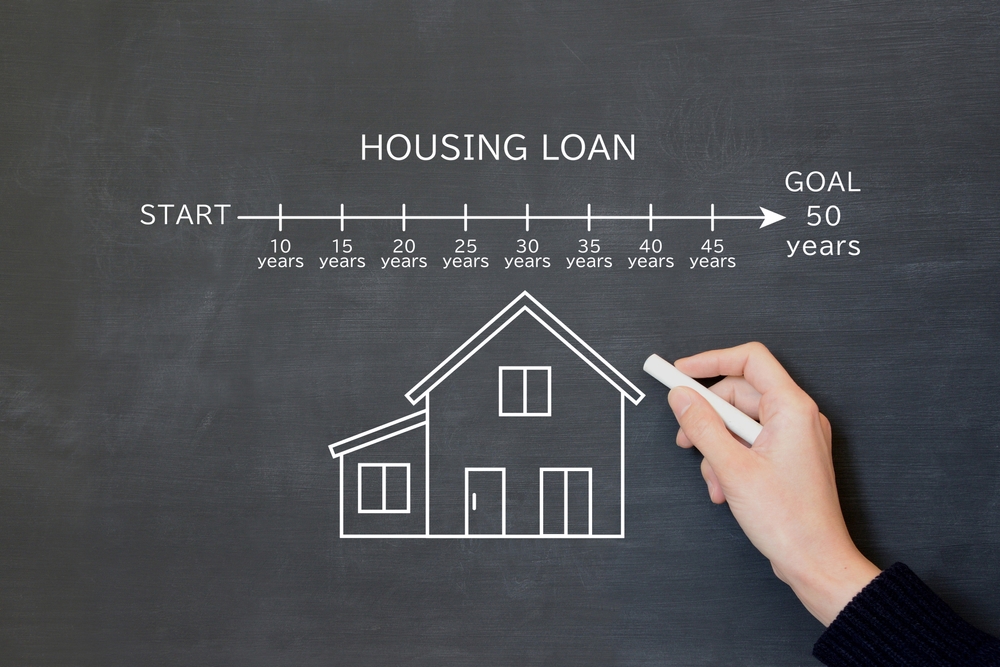
A 50-year mortgage is precisely what it sounds like a home loan stretched over half a century instead of the traditional 30-year term used in most U.S. home financing. Versions of the idea surface from time to time, usually during periods when affordability becomes a national concern. Most recently, some policymakers have floated the idea again as home prices and mortgage rates remain elevated.
At its core, extending the loan term lowers the monthly payment by spreading the principal over a longer period. But the benefit of a lighter monthly bill comes with meaningful consequences that buyers need to understand. And because current U.S. mortgage rules typically cap standard loans at 30 years, the concept remains more theoretical than practical at least for now.
Potential Benefits of a 50-Year Mortgage
1. Lower Monthly Payments
Stretching a loan from 30 to 50 years reduces the principal-and-interest payment. Analyses comparing the two often show a noticeable though not dramatic drop in the monthly expense. For buyers trying to qualify or stay within a specific payment range, that reduction may be appealing.
2. Larger Loan Qualification
Because the monthly burden is lower, borrowers might qualify for a higher loan amount. In expensive regions, even a modest increase in purchasing power can make the difference between being priced out and securing a property.
3. More Room in the Monthly Budget
A lower mortgage payment frees up cash for everyday expenses, emergency savings, home maintenance, or investments. For buyers who feel squeezed by today’s rates and prices, this extra breathing room can seem like a lifeline.
4. Potential Short-Term Strategy
Some borrowers may view a 50-year mortgage as a temporary tool, a way to get into a home now, then refinance when rates fall or when their income increases. For younger buyers or those in high-cost markets, this approach can offer short-term relief.
Drawbacks and Risks
1. Much Higher Interest Paid Over Time
A more extended repayment period means more interest, significantly more. Comparing a 30-year and 50-year loan on the same principal often shows hundreds of thousands of dollars in additional interest over the life of the loan. The lower payment today comes at the cost of paying far more tomorrow.
2. Very Slow Equity Growth
Because the principal is paid down at a much slower pace, homeowners build equity far more slowly. In fact, when a 30-year borrower is reaching the end of their mortgage, a 50-year borrower may still owe a substantial portion of the original loan. For households relying on homeownership as a wealth-building tool, this is a significant disadvantage.
3. Greater Exposure to Negative Equity
If the market softens or home values plateau, homeowners with slow-amortizing loans face a higher risk of being underwater, owing more than the property is worth. This can make selling, refinancing, or moving far more difficult. This situation is known as ‘negative equity’, and it’s a significant risk associated with 50-year mortgages.
4. A Mortgage That Follows You Into Old Age
Taking a 50-year loan in your 30’s, 40’s, or even 20’s means your payments may continue well into retirement. Most people expect their housing costs to lighten as they age; a 50-year mortgage extends financial obligations well past the point many hope to be debt-free.
5. Higher Interest Rates + Regulatory Barriers
Lenders may charge a higher rate on a 50-year term because of the increased risk. On top of that, today’s mortgage regulations generally limit standard loans to 30 years. Changing those rules would require regulatory or legislative action, such as amendments to the Truth in Lending Act or the Dodd-Frank Wall Street Reform and Consumer Protection Act.
6. Potential to Push Home Prices Higher
If buyers can suddenly qualify for larger loans but the supply of homes doesn’t grow, the added purchasing power can drive prices up, not down. This is a key criticism: instead of improving affordability, the 50-year mortgage could worsen it in tight markets.
7. Limited Benefit if You Move or Refinance Early
Most homeowners don’t stay in one property for decades. If you sell or refinance before the long-term advantages kick in, you may walk away with little equity despite years of payments.
What this Means in High-Cost Markets
In places where housing supply is tight and prices have outpaced income growth, the idea of lower payments is tempting. But the downsides, especially slow equity growth and long-term interest costs, are substantial.
In markets where price appreciation has historically been strong, homeowners rely heavily on equity gains to offset a lack of principal paydown. If appreciation cools, the 50-year structure becomes more of a burden than a benefit.
And carrying a mortgage balance into retirement can pose real challenges, particularly when combined with property taxes, insurance, maintenance costs, and fixed retirement income.
Bottom Line
The 50-year mortgage solves one problem, a high monthly payment, but introduces several others. It may help specific buyers bridge the gap into homeownership, but for most people, the trade-offs are steep.
It may make sense for a particular type of buyer:
- Someone young with stable income growth ahead
- Someone planning to refinance when rates fall
- Someone is fully aware that long-term equity growth will be slow
As a broad policy tool to fix affordability? It’s unlikely to succeed without substantial increases in housing supply and strong guardrails to protect consumers.
Questions Buyers Should Ask Themselves
If a 50-year mortgage ever becomes widely available, encourage clients to consider:
- How different will my payments be compared to a 30-year loan?
- What interest-rate premium am I paying for the longer term?
- How much equity will I have after 10, 20, or 30 years?
- What happens if I sell after a decade, will I have enough equity?
- Will I still be making payments near or during retirement?
- What happens if home values decline?
- Are there other ways to achieve a similar monthly payment without locking in a 50-year obligation?
Conclusion
A 50-year mortgage is an intriguing concept, especially in a moment when affordability is stretched and buyers are hunting for relief. But it is not a simple fix. The lower payment comes with long-term costs: slower wealth building, higher interest expense, and a debt horizon that can stretch beyond a buyer’s working years.
For now, it remains more of a policy experiment than a real product, and one that demands caution, careful planning, and a clear understanding of its long-term impact.


